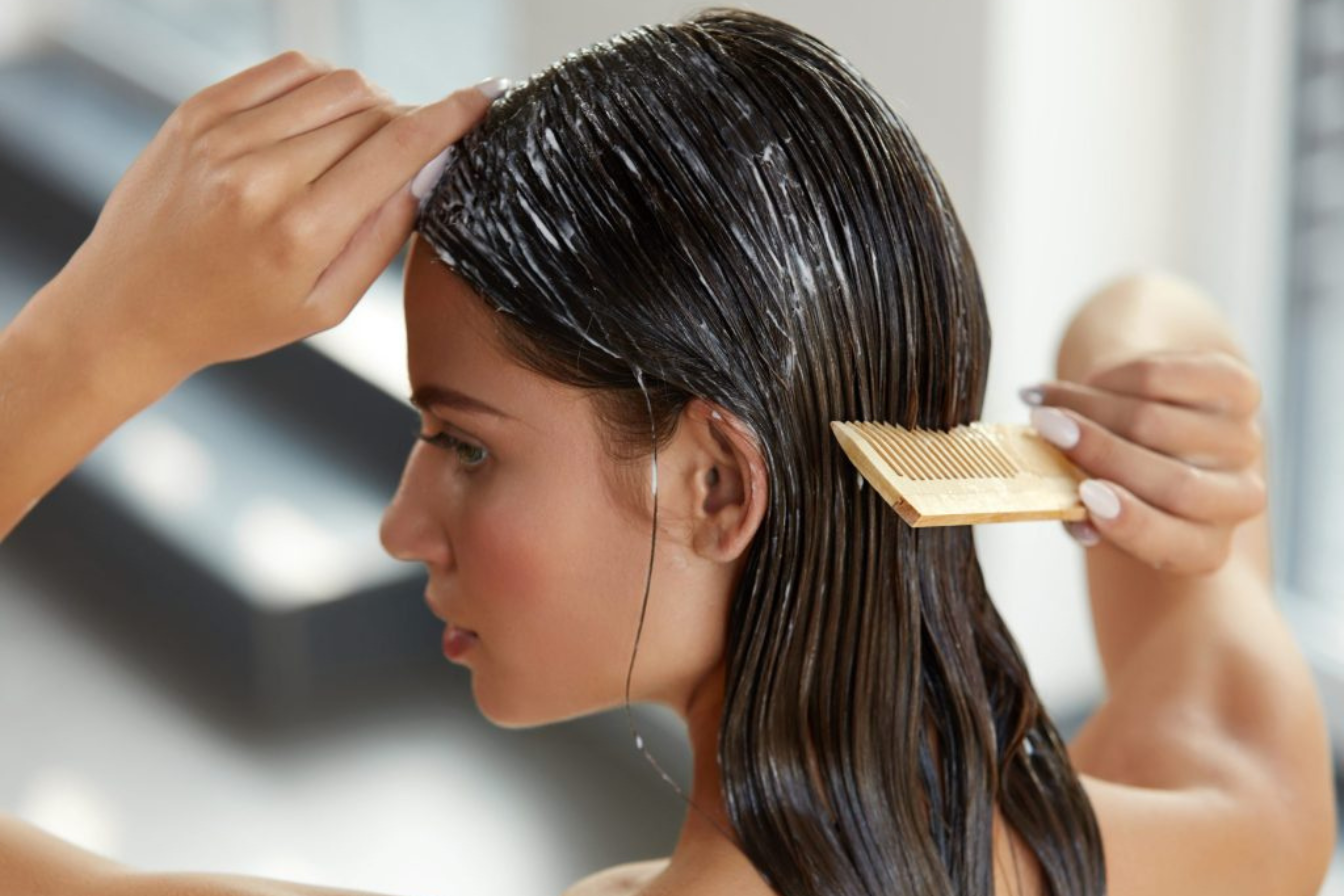
Rice Water vs Rosemary Oil: Which Boosts Hair Growth Better?
Comparing rice water’s folklore with rosemary oil’s clinical backing—find out which treatment is more likely to support hair growth and how to use it safely.

Hair growth is a pursuit for many, and naturally derived treatments often catch our attention. Two popular contenders are Rice water and Rosemary oil. While rice water has been used for centuries in anecdotal ways (especially in Asia), rosemary oil is supported by emerging clinical research.
In this article, we’ll compare both: how they work (or don’t), what the research says, their limitations, how to use them, and ultimately, which may be the better choice.
What is Rice Water & How Is It Used?
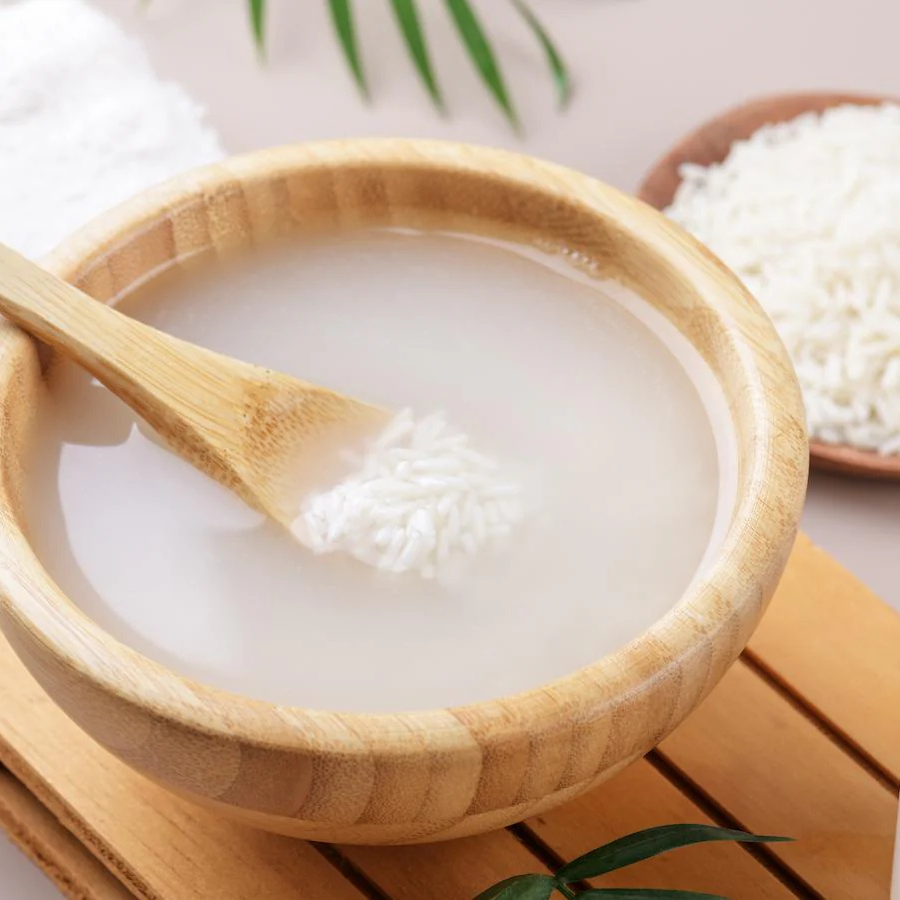
Rice water is the starchy water remaining after rice is soaked, rinsed, or boiled. It has been used traditionally — for instance, women in Japan's Heian period reportedly bathed their hair in it.
Typical DIY method: Rinse 1 cup of rice, then soak it in 2-3 cups of water for 30 minutes. Strain the rice after soaking. Apply the rice water to your hair and scalp after shampooing.
Proposed benefits: improved hair elasticity, shine, volume, and reduced frizz.
 Team KacyWorld
What Does Research Say About Rice Water?
- A 2022 systematic review focused on rice bran extract (not plain rice water) found promising mechanisms: up-regulation of growth signals (β-catenin, Wnt) and inhibition of 5α-reductase (an enzyme linked to hair-loss).
- But for plain rice-water rinses, the evidence is thin. Experts caution: “No scientific evidence supports … using rice water for hair growth.”
- Some dermatologists warn that the starch content could even be counterproductive (risking protein overload or hair becoming brittle), especially in hair types prone to breakage.
Bottom line for rice water: It may offer some hair-care benefits (shine, surface coating, mild nourishment) but lacks robust human clinical data showing it boosts hair growth meaningfully.
What is Rosemary Oil & How Is It Used?
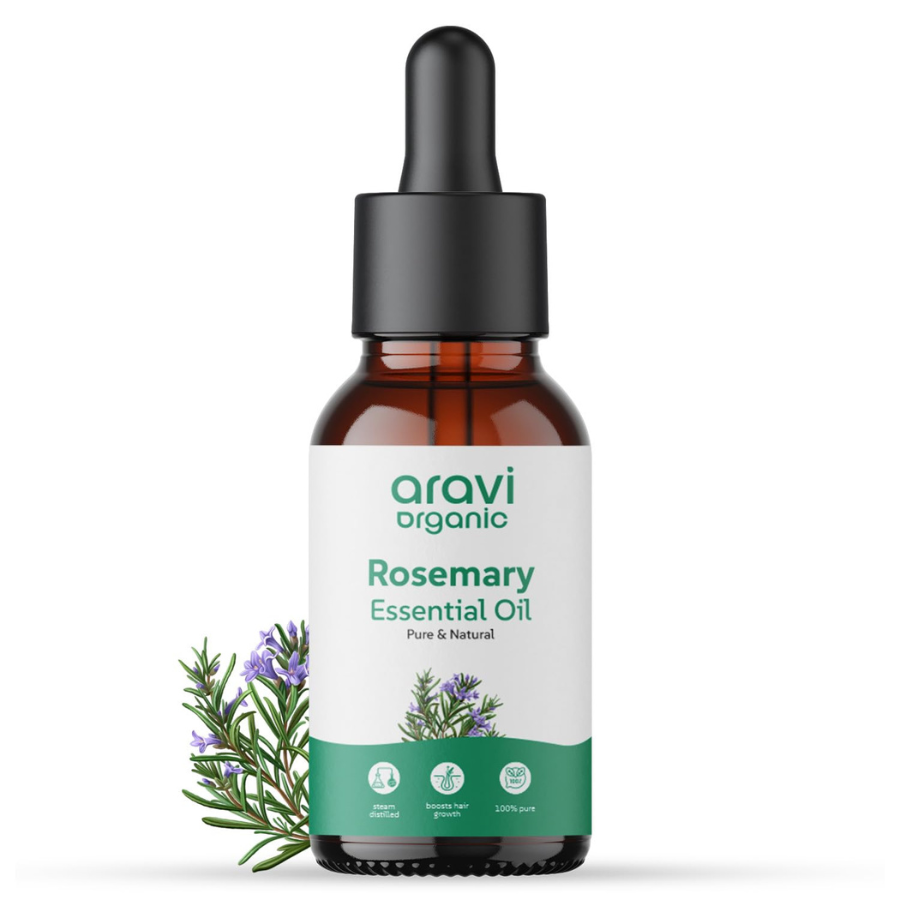
Rosemary oil is an essential oil distilled from the herb rosemary (Rosmarinus officinalis). For hair use, it’s typically diluted in a carrier oil (like jojoba, coconut or sweet almond) and massaged into the scalp.
The proposed mechanisms:
- Increased blood flow and micro-capillary perfusion to scalp promoting follicle nutrition.
- Anti-inflammatory and antioxidant action (e.g., carnosic acid).
- In some studies, inhibition of 5α-reductase (relevant in androgenic hair loss).
Usage tip: Always dilute the essential oil. Patch-test first. Use 1-2 times weekly initially. Leave for 10-30 minutes, then rinse or leave, depending on the formulation.
What Does Research Say About Rosemary Oil?
- A 2015 randomized, single-blind trial in men with androgenetic alopecia (male-pattern hair loss) compared 2% minoxidil with rosemary oil for 6 months. Both groups showed a significant increase in hair count, with no statistical difference between the groups. Rosemary had less scalp itching.
- Review articles and more recent work (2023-2025) confirm may more research is required.
- Cleveland Clinic commentary: “Yes, it does seem to work” in terms of enhancing regrowth in early data.
Bottom line for rosemary oil: Far stronger evidence compared with rice water. Particularly promising for androgenic-type hair loss rather than generic hair growth. Still not foolproof, and quality matters.
 Team KacyWorld
Rice Water vs Rosemary Oil: Side-by-Side Comparison
| Feature | Rice Water | Rosemary Oil |
|---|---|---|
| Evidence for growth | Weak, anecdotal | Moderate, clinically supported |
| Main benefit | Shine, smoothness | Stimulates hair growth |
| How it works | Coats hair strands with starch | Improves scalp circulation, reduces DHT |
| Risks | Can cause buildup, stiffness | Possible irritation if undiluted |
| Best for | Occasional hair rinse | Regular scalp massages for thinning hair |
 Team KacyWorld
So, Which Works Better for Hair Growth?
If your goal is to achieve noticeable hair growth,
Rosemary oil is the clear winner. It has measurable effects on scalp stimulation and hair regrowth, supported by scientific evidence.
Rice water, on the other hand, can be a great natural conditioner that improves shine and smoothness, but should not be relied upon for growth. Ideally, both can be combined in a hair-care routine—using rosemary oil on the scalp for follicle stimulation and rice water occasionally as a rinse for softness and manageability.
How to Use Both Together
- Once or twice a week, massage diluted rosemary oil into your scalp for 10–15 minutes before washing.
- After shampooing, pour rice water over your hair and leave it for 15–20 minutes. Then, rinse.
- Follow up with a conditioner or light hair serum to seal in moisture.
- Be consistent—visible results from rosemary oil typically appear after three to six months.
 Team KacyWorld
Conclusion
While both rice water and rosemary oil have their benefits, they serve different purposes. Rice water is best as a natural conditioner for smoother, glossier hair, while rosemary oil is a more reliable option for promoting growth and scalp health. For optimal results, combine both in a consistent and gentle routine that suits your hair type and texture.
Q1. Does rice water really make hair grow faster?
Not exactly. Rice water can improve shine and strength, but there’s no proven scientific evidence that it speeds up hair growth.
Q2. Can rosemary oil regrow hair?
Yes, rosemary oil may stimulate hair growth by improving blood circulation to the scalp and reducing DHT levels, which are linked to hair loss.
Q3. Which is better for hair growth, rice water or rosemary oil?
Rosemary oil is more effective for hair growth due to its clinical support. Rice water is more effective in improving hair texture and smoothness.
Q4. Are there any side effects of using rice water or rosemary oil?
Rice water can cause buildup or stiffness if used too often. Rosemary oil may cause irritation if applied undiluted; therefore, always mix it with a carrier oil.
Q5. How long does it take to see results with rosemary oil?
Results typically appear after consistent use for three to six months. Patience and regular application are key.
Stay tuned for more such interesting & informative articles!
Also read here,
 Team KacyWorld
 Team KacyWorld
 Team KacyWorld