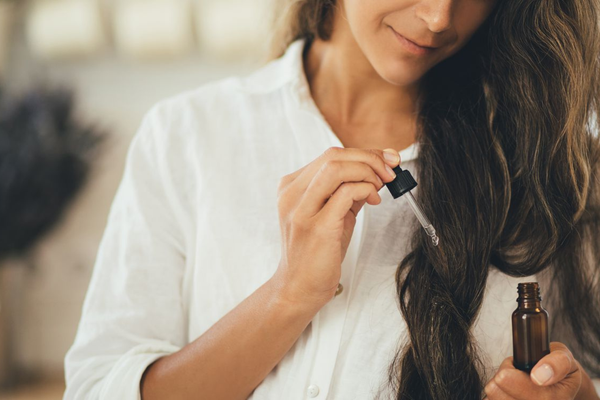
8 Home Remedies for Dandruff That Actually Work
Discover 8 powerful home remedies for dandruff that soothe your scalp, reduce flakes, and bring back healthy, shiny hair naturally.
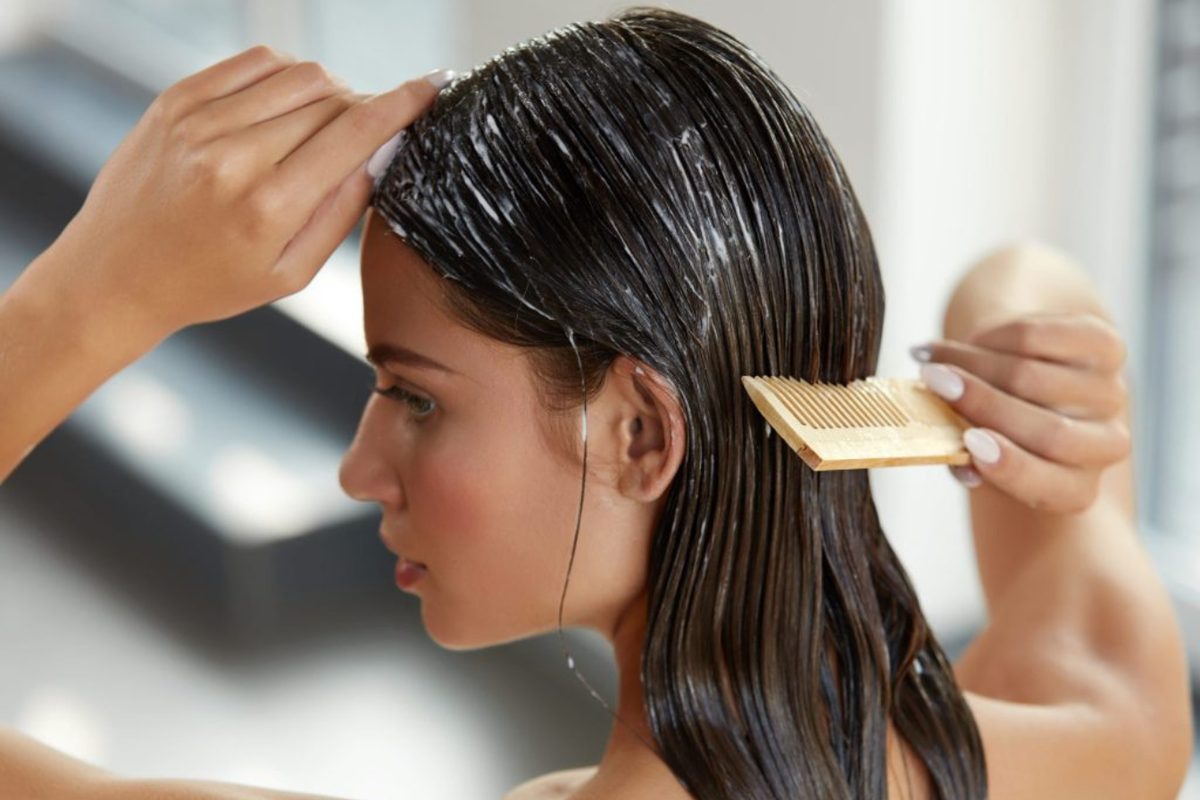
Dandruff is one of those hair issues that just won’t go away easily — those tiny white flakes, the itchiness, and the constant discomfort can be frustrating. While there are countless shampoos that promise instant results, they often contain chemicals that can dry out your scalp.
If you’re looking for a gentle, long-lasting solution, these 8 tried-and-tested home remedies for dandruff will help you get a clean, flake-free scalp naturally.
1. Coconut Oil and Lemon
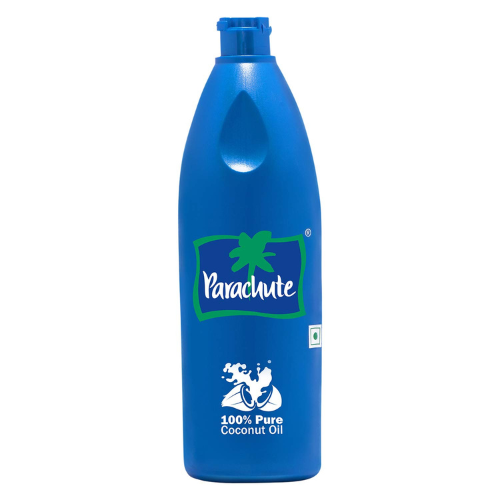
Coconut oil deeply nourishes the scalp, while lemon’s acidity helps balance scalp pH and fight dandruff-causing fungus.
How to use:
Mix 2 tablespoons of coconut oil with 1 tablespoon of lemon juice. Massage into your scalp and leave for 20 minutes before washing with a mild shampoo.
2. Aloe Vera Gel
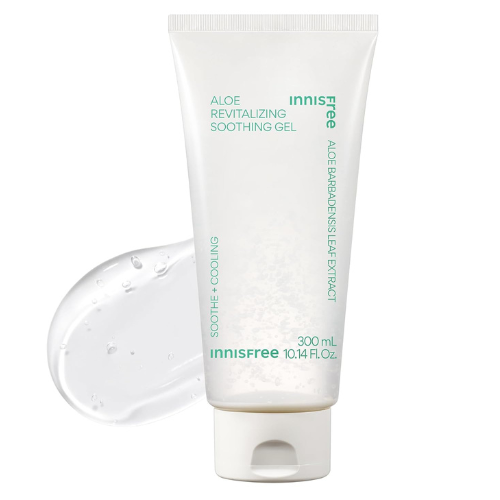
Aloe vera has soothing and anti-fungal properties that calm itchiness and reduce flakes.
How to use:
Apply pure aloe vera gel directly to your scalp and leave it on for 30 minutes. Rinse with lukewarm water. Repeat twice a week for best results.
3. Apple Cider Vinegar
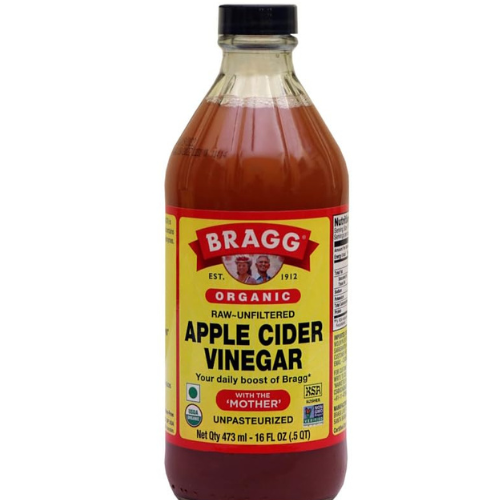
Apple cider vinegar helps remove product buildup and restores the scalp’s natural pH balance, preventing fungal growth.
How to use:
Mix equal parts water and apple cider vinegar. After shampooing, pour the mixture on your scalp, massage gently, and rinse after 5 minutes.
4. Tea Tree Oil
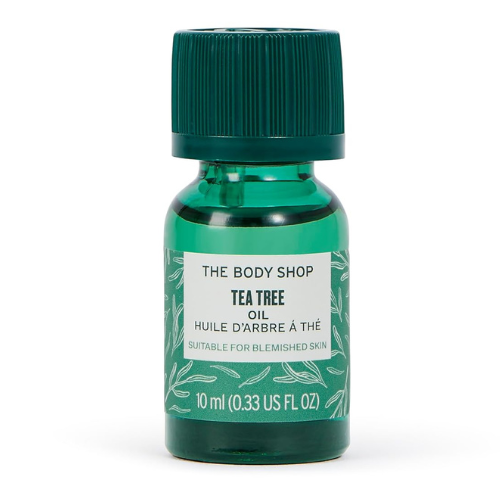
Tea tree oil is one of the most powerful natural anti-fungal ingredients. It fights dandruff at the root and soothes inflammation.
How to use:
Add 5 drops of tea tree oil to your regular shampoo or mix it with a carrier oil like coconut oil before massaging onto your scalp.
5. Yogurt and Honey Mask
Yogurt contains probiotics that restore scalp health, and honey helps lock in moisture, reducing dryness and flakes.
How to use:
Mix 2 tablespoons of plain yogurt with 1 tablespoon of honey. Apply it to your scalp and hair, leave for 30 minutes, and rinse with mild shampoo.
6. Neem Leaves
Neem is an age-old Indian remedy renowned for its antibacterial and antifungal properties, making it an effective treatment for dandruff and scalp infections.
How to use:
Boil a handful of neem leaves in water, cool, and use the strained water as a final rinse after shampooing.
 Team KacyWorld
7. Baking Soda
Baking soda gently exfoliates the scalp, removing dead skin and excess oil without irritating it.
How to use:
Mix 1 tablespoon of baking soda with water to form a paste. Massage gently on the scalp for a minute, then rinse thoroughly. Use only once a week.
8. Fenugreek (Methi) Seeds
Fenugreek seeds contain anti-fungal properties and help soothe scalp irritation while strengthening hair roots.
How to use:
Soak 2 tablespoons of methi seeds overnight. Grind them into a paste and apply it to your scalp for 30 minutes before rinsing with mild shampoo.
 Team KacyWorld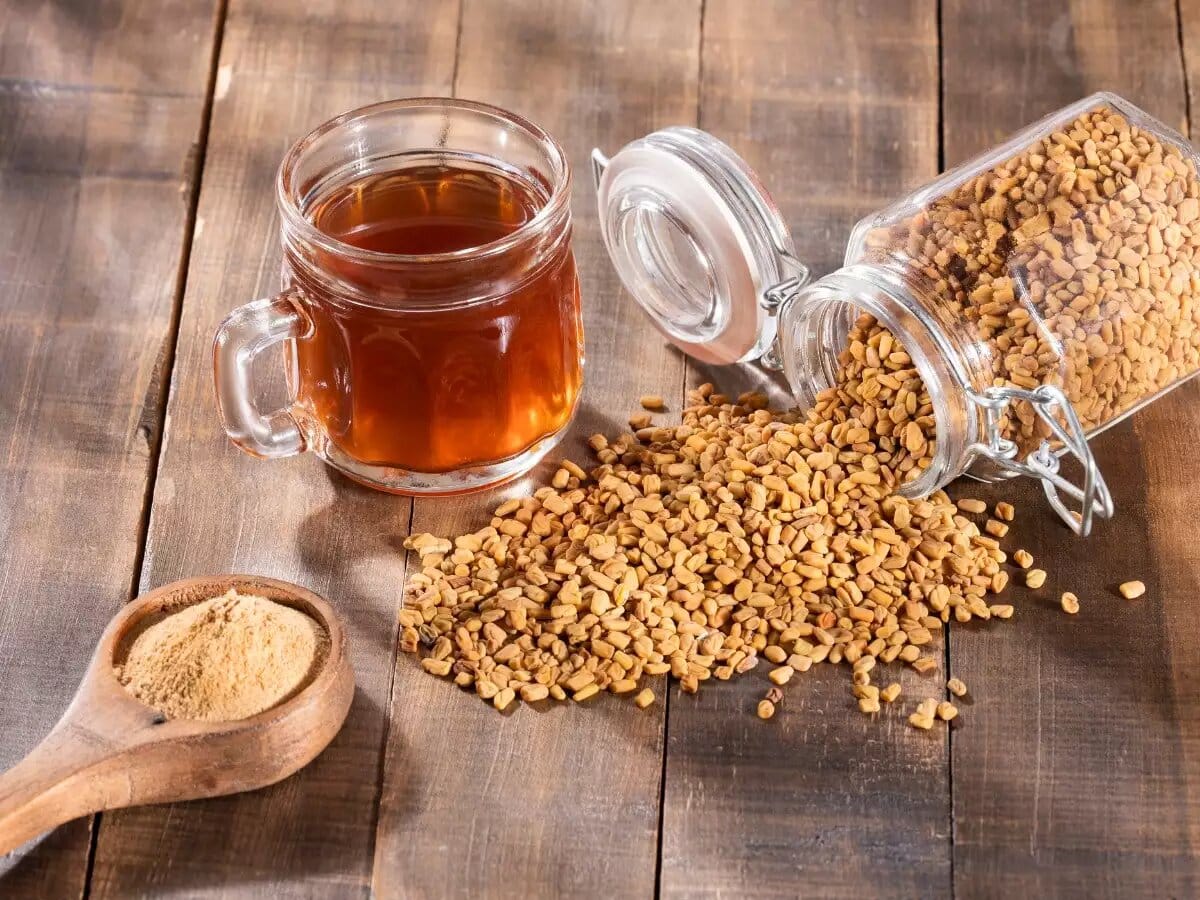
Final Thoughts
Dandruff can affect anyone, but the key to controlling it lies in consistency and proper care. Using natural remedies not only clears flakes but also nourishes your scalp from within. Pair these treatments with a balanced diet and mild hair care routine — your hair will thank you with shine and health!
Q1. Which home remedy works fastest for dandruff?
Apple cider vinegar and tea tree oil are known to provide quick results as they target the fungus causing dandruff and help rebalance the scalp's pH.
Q2. Can I use coconut oil daily for dandruff?
Yes, you can use coconut oil 2–3 times a week. It keeps your scalp moisturized and reduces flakiness; however, daily use may cause your scalp to become oily.
Q3. How long does it take for home remedies to be effective against dandruff?
You’ll notice improvement in 2–3 weeks with consistent use. Natural remedies work gradually but give long-term results without harsh chemicals.
Q4. Is lemon good for dandruff?
Yes, lemon’s citric acid helps control dandruff by balancing the scalp’s pH and reducing fungal buildup. However, don’t apply it directly on the scalp; always dilute it with oil or water.
Q5. Can I combine different home remedies?
It’s best to stick to one or two remedies at a time. Combining too many ingredients can irritate the scalp or cause dryness.
Stay tuned for more such interesting & informative articles!
Also read here!
 Team KacyWorld
 Team KacyWorld