Rising PCOS/PCOD in Young Women: Causes, Symptoms, Solutions & Fertility Impact
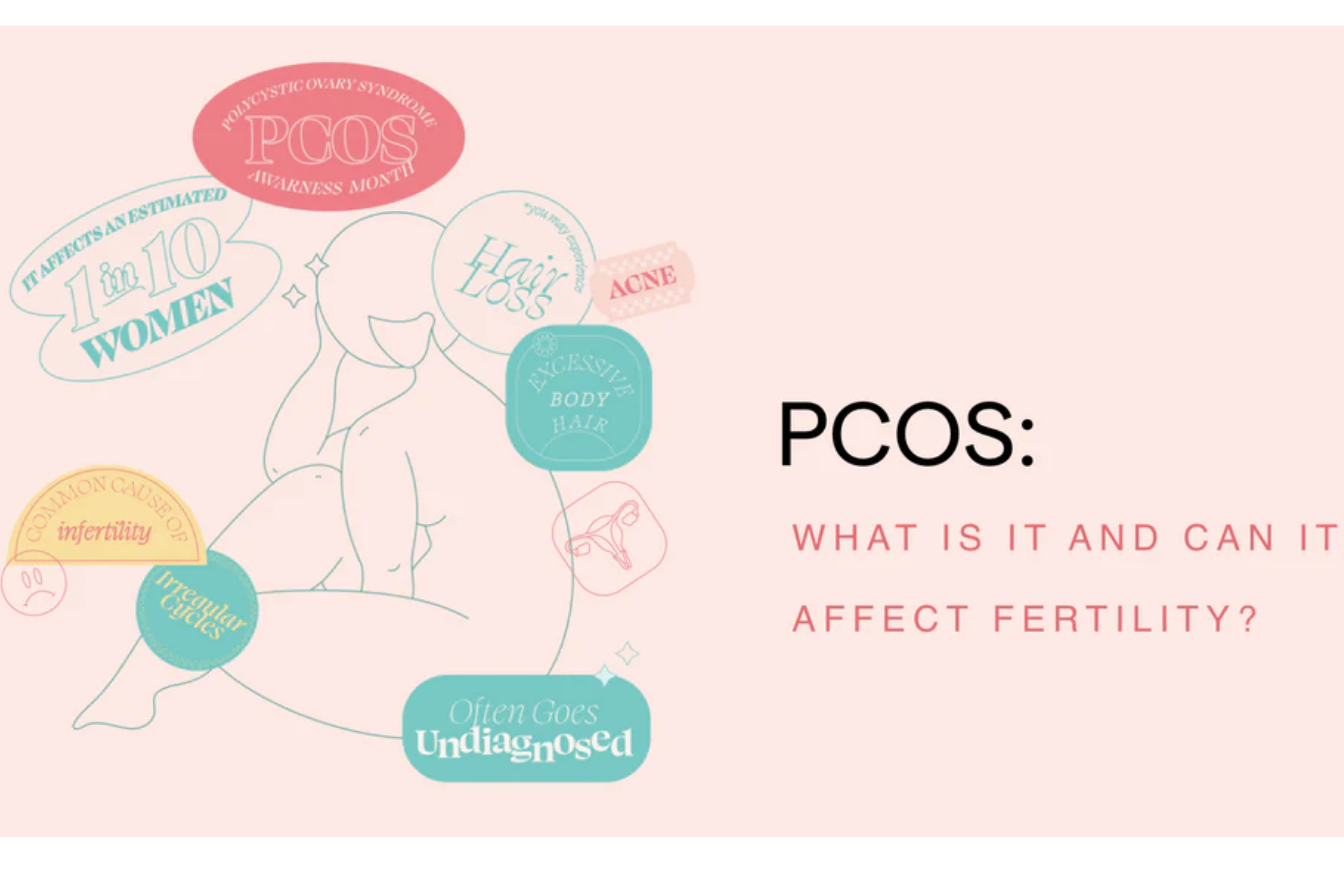
What is PCOS/PCOD?
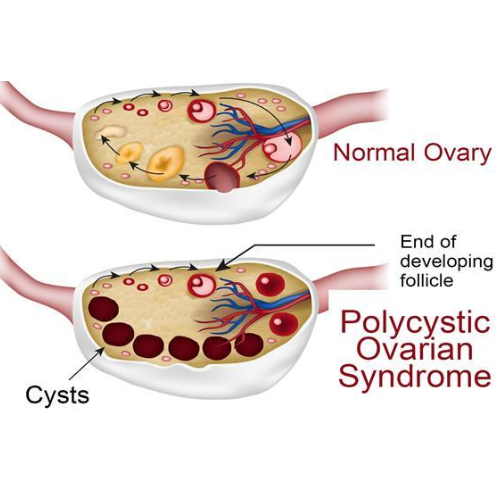
Polycystic Ovary Syndrome (PCOS) and Polycystic Ovary Disorder (PCOD) are hormonal disorders affecting the ovaries. Common in young women aged 15–30, both conditions cause irregular periods, weight gain, acne, infertility, and hormonal imbalance.
Common Symptoms of PCOS/PCOD
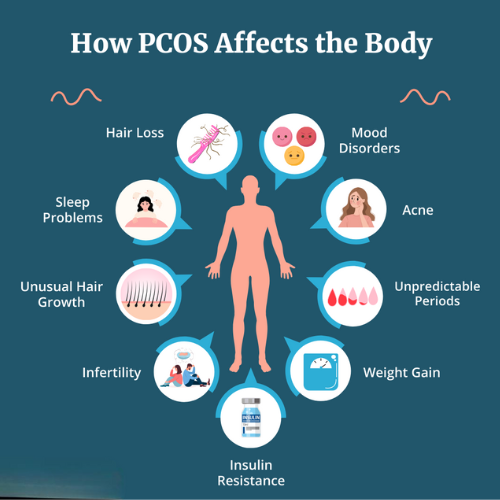
- Irregular or missed periods
- Weight gain, especially belly fat
- Facial hair growth
- Oily skin or severe acne
- Hair thinning (scalp)
- Infertility or difficulty conceiving(PCOS & fertility)
- Mood swings, anxiety, depression
Why PCOS/PCOD is Increasing
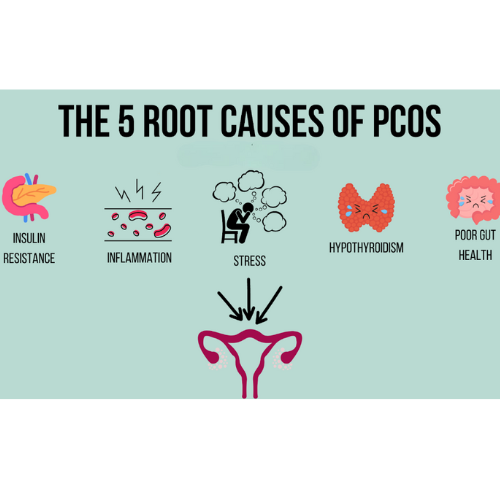
- Unhealthy diet (sugar, junk food)
- Lack of exercise
- Chronic stress
- Stress and poor sleep
- Environmental toxins (plastics, cosmetics)
- Genetics and insulin resistance
These factors cause insulin resistance, leading to a hormonal imbalance.
How PCOS Affects Fertility
PCOS & fertility are closely linked. Ovulation becomes irregular, making it harder to conceive naturally. Early lifestyle changes and medical treatment improve the chances of pregnancy.
Natural Ways to Manage PCOS/PCOD
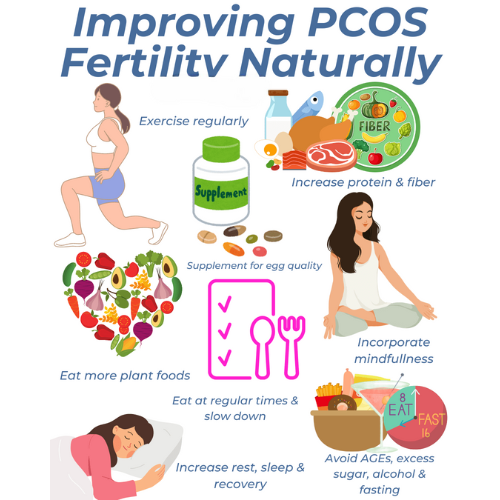
1. Eat Clean:
- Whole grains, leafy greens, lean protein
- Avoid sugar, dairy, and processed food
2. Exercise Daily:
- Yoga, walking, strength training (30 mins/day)
3. Reduce Stress:
- Meditation, deep breathing, and better sleep
4. Use Natural Supplements:
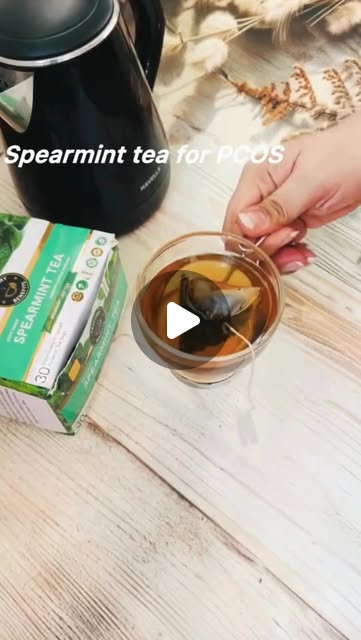
- Inositol, omega-3, vitamin D, spearmint tea (ask doctor)

5. Get Medical Advice:
- PCOS pills, hormonal treatment, insulin control (if needed)
Quick Tips to Beat PCOS Naturally
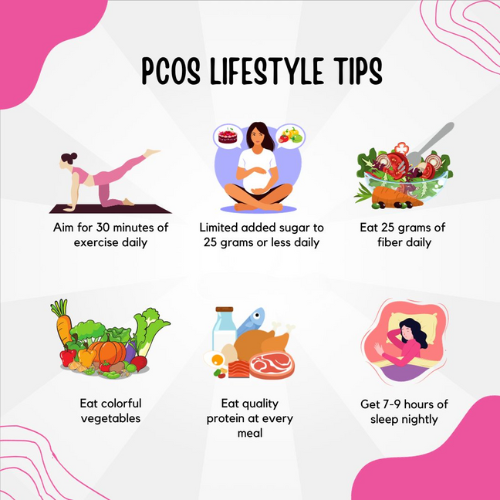
- Stay active
- Eat low-GI foods
- Sleep 7–8 hours
- Stay hydrated
- Avoid plastics (BPA)
Final Thoughts
PCOS is rising fast among young women, but with proper diet, exercise, and care, it can be managed. If you experience PCOS symptoms, consult your doctor early to improve overall health and fertility.
Q1. Can women with PCOS get pregnant naturally?
Yes, many women conceive naturally with proper lifestyle changes and medical guidance.
Q2. Does PCOS cause infertility?
PCOS can make conception harder due to irregular ovulation, but it doesn’t mean permanent infertility.
Q3. What are the best treatments for PCOS and pregnancy?
Healthy diet, weight management, ovulation-inducing medication, and in some cases IVF.
Q4. Is pregnancy safe with PCOS?
Yes, but PCOS pregnancies need monitoring to prevent complications like gestational diabetes.
Q5. Does PCOS go away after pregnancy?
No, PCOS is a hormonal condition, but symptoms may reduce with lifestyle management.
Also read here!
 Team KacyWorld
 Team KacyWorld
 Team KacyWorld