Navratri Fasting: Top Nutritious Foods to Power Your 9 Days
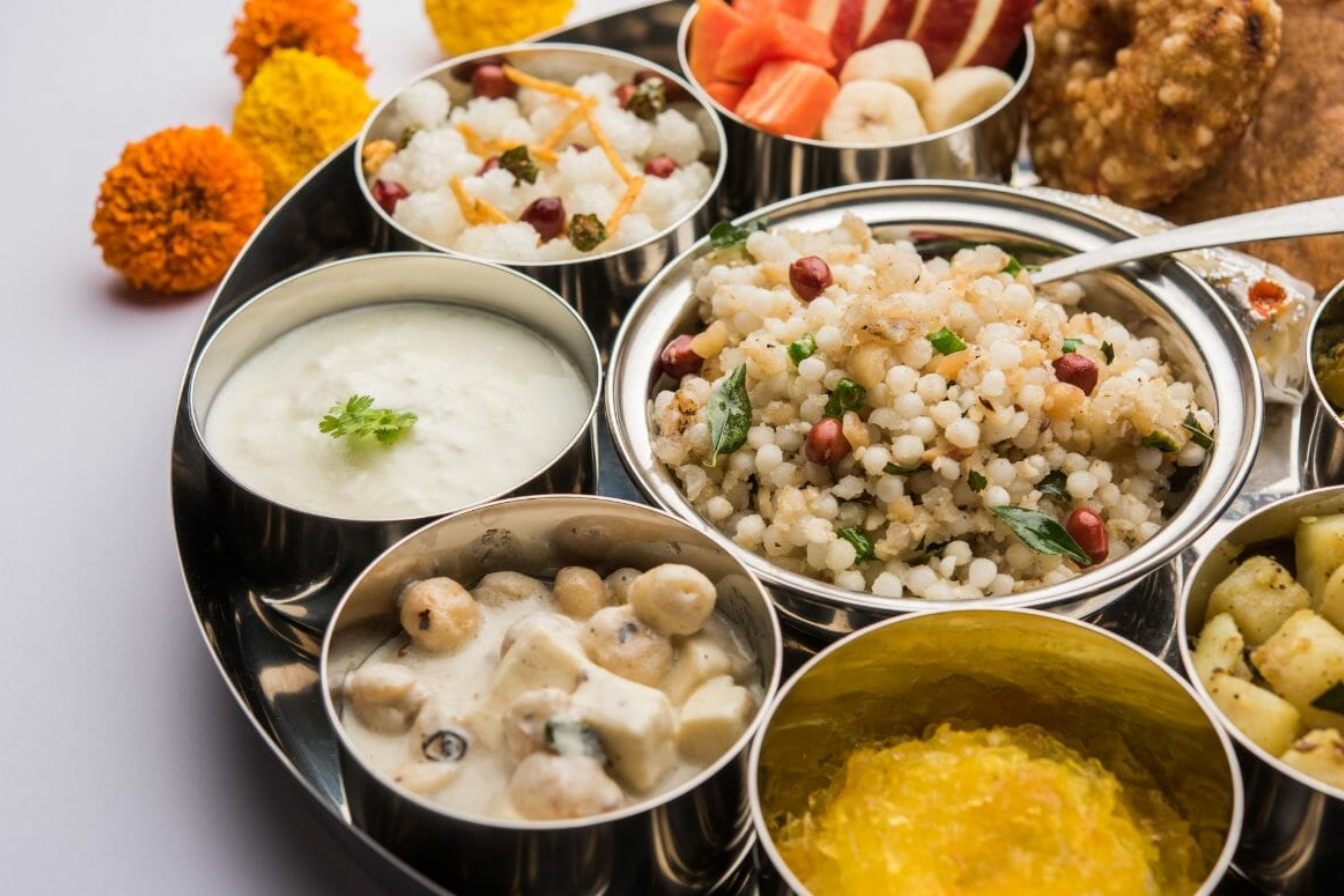
Navratri is one of the most celebrated Hindu festivals, marked with devotion, dance, and special fasting rituals. Many people follow Navratri fasting foods for spiritual and health reasons. But while fasting, it is equally important to keep your body energized with the right nutrition. Eating wholesome, sattvic meals ensures you stay active, focused, and healthy throughout the 9 days.
In this article, we’ll cover the best Navratri fasting foods, their health benefits, and also provide a 9-day Navratri diet chart to guide you through your vrat.
Why Nutritious Foods Are Important During Navratri Fasting?
Fasting during Navratri often involves avoiding grains, onions, garlic, and processed foods. While this detoxifies the body, you must include foods that are rich in protein, fiber, healthy fats, and natural sugars. The right Navratri diet helps prevent weakness, fatigue, and acidity while keeping you spiritually aligned.
Top Nutritious Navratri Fasting Foods
1. Samak Rice (Barnyard Millet)
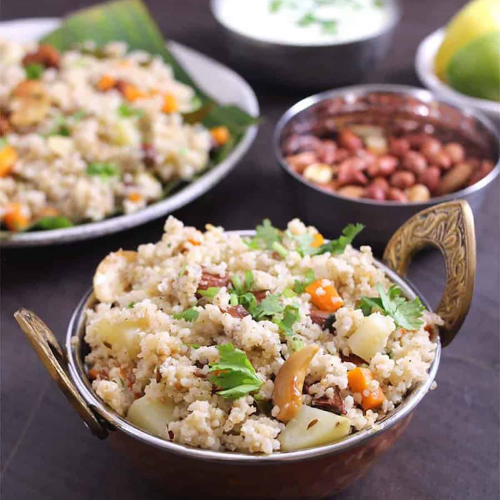
- A gluten-free alternative to rice.
- High in fiber, easy to digest, and provides steady energy.
- Can be used to make pulao, khichdi, or kheer.
2. Sabudana (Tapioca Pearls)
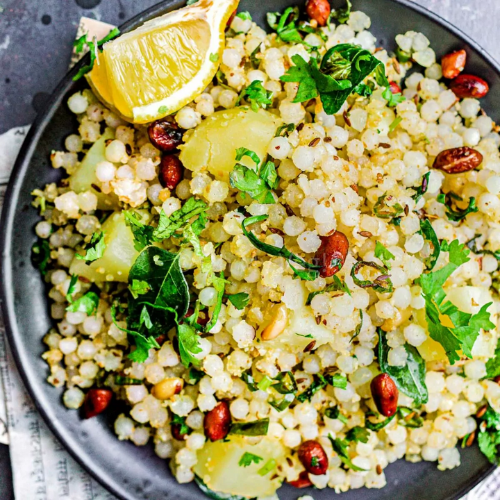
- Rich in carbs, ideal for quick energy.
- Best when cooked as sabudana khichdi, cutlets, or kheer.
- Combine with peanuts for extra protein.
3. Kuttu Atta (Buckwheat Flour)
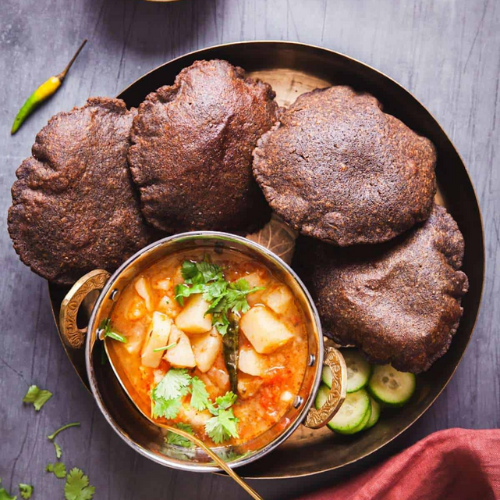
- Power-packed with fiber, iron, and protein.
- Can be used to prepare kuttu ki puri, cheela, or paratha.
4. Singhara Atta (Water Chestnut Flour)
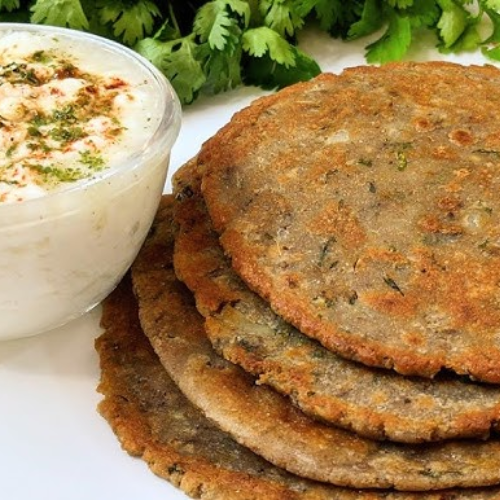
- Rich in potassium, calcium, and antioxidants.
- Helps in cooling the body and maintaining hydration.
5. Potatoes & Sweet Potatoes
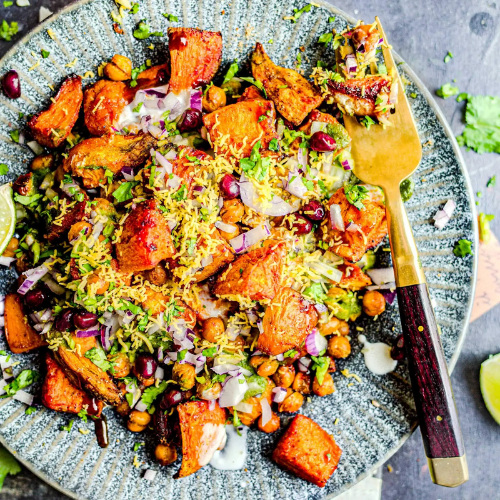
- Good source of carbs and natural sugars.
- Sweet potatoes are high in vitamin A and fiber, keeping you full longer.
6. Makhana (Fox Nuts)
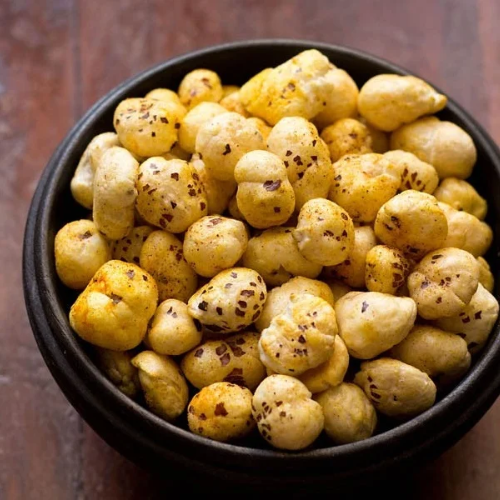
- Low in calories, high in protein and antioxidants.
- Ideal roasted with rock salt and ghee as a snack.
7. Dry Fruits & Nuts
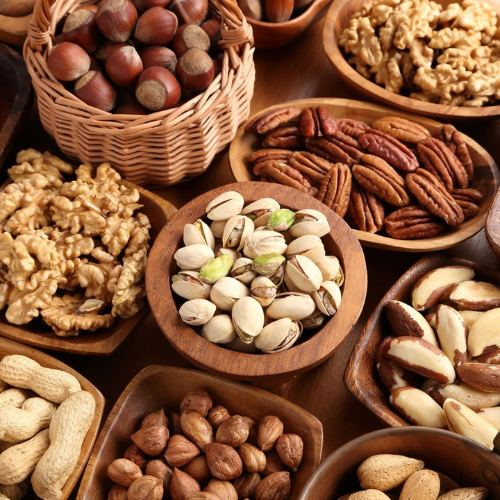
- Almonds, walnuts, raisins, and cashews provide healthy fats and proteins.
- Boosts stamina and immunity during fasting.
8. Fresh Fruits & Coconut Water

- Apples, bananas, papaya, and pomegranate are great for hydration and fiber.
- Coconut water keeps electrolytes balanced.
9. Dairy Products (Milk, Paneer, Curd)
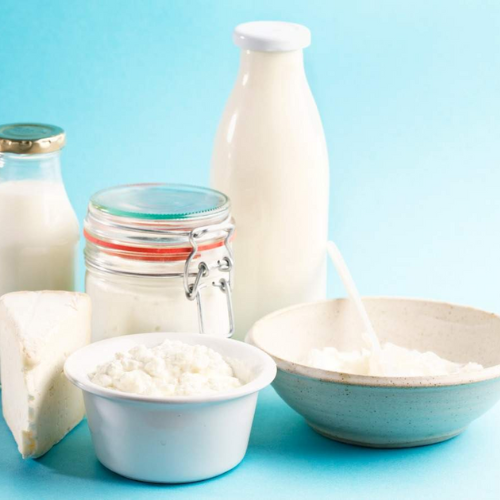
- It is a great source of calcium and protein.
- Curd helps with digestion, while paneer keeps you full.
9 Days Navratri Diet Chart
Here’s a simple Navratri diet plan to stay energized while observing fasts:
Tips for Healthy Navratri Fasting
- Drink plenty of water and coconut water to avoid dehydration.
- Avoid deep-fried foods; go for steamed, baked, or roasted options.
- Eat small meals at regular intervals.
- Include more fruits and nuts for natural energy.
Q1. Can we eat tomatoes during Navratri fasting?
Yes, tomatoes are allowed in most fasting traditions and are used in curries and sabzis.
Q2. Is coffee allowed in Navratri vrat?
Traditionally, milk-based drinks are preferred. Coffee can be consumed, but herbal teas are healthier.
Q3. What is the best snack during Navratri fasting?
Roasted makhana, nuts, or fruit chaat are the best snacks.
Q4. Can we eat rice in Navratri fasting?
Regular rice is avoided; instead, samak rice is consumed.
Stay tuned for more such interesting & informative articles!
Also read here!
 Team KacyWorld
 Team KacyWorld